 $ USD
$ USD
KPV and LL-37 Research 2026 , Tested Trusted
The Immunobiotic Shield: KPV and LL-37 Research 2026
By the Lyzelab Biological Sciences Division | January 2026
In the landscape of 2026 peptide science, the focus is no longer just on “killing” pathogens but on immunomodulation—the art of teaching the body’s own defenses to handle threats with precision. The combination of KPV (Lysine-Proline-Valine) and LL-37 (Cathelicidin) represents the cutting edge of this philosophy.
At Lyzelab, we track the emerging data showing that these two peptides work in a synergistic loop: LL-37 acts as the “sentinel” that identifies and neutralizes pathogens, while KPV acts as the “peacekeeper” that shuts down the inflammatory fire. Understanding KPV and LL-37 research 2026 is vital for any lab investigating chronic gut issues, skin disorders, or persistent viral loads.
Research Overview: KPV is a tripeptide fragment of alpha-MSH with potent anti-inflammatory properties, specifically in the gut. LL-37 is the only human cathelicidin, known for its broad-spectrum antimicrobial and antiviral activity. Current KPV and LL-37 research 2026 highlights their combined ability to heal the intestinal lining while eradicating pathogenic biofilms. Explore our high-purity sequences at Lyzelab.com.
1. KPV: The Master Anti-Inflammatory Tripeptide
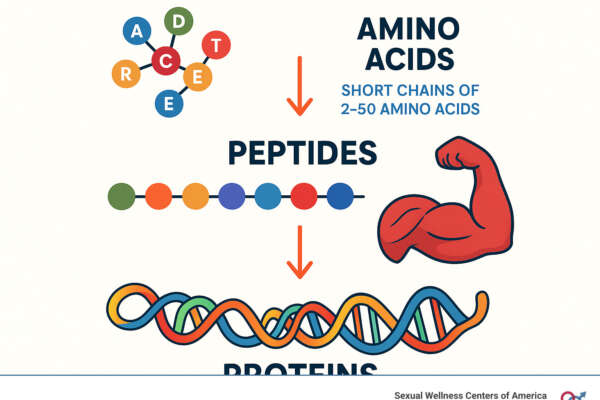
KPV is a highly stable, three-amino-acid sequence derived from alpha-Melanocyte Stimulating Hormone (α-MSH). Unlike its parent molecule, KPV does not cause skin darkening, making it an ideal candidate for long-term therapeutic research.
Suppression of NF-κB
The primary mechanism explored in KPV and LL-37 research 2026 is KPV’s ability to suppress the NF-κB signaling pathway. NF-κB is the “master switch” for inflammation; when it is turned on, the body produces a flood of pro-inflammatory cytokines like TNF-alpha and IL-6. KPV enters the cell via the PepT1 transporter and physically prevents NF-κB from entering the nucleus, effectively silencing the inflammatory response at the source.
Accelerated Mucosal Healing
In 2025/2026 studies on Ulcerative Colitis (UC) and Crohn’s Disease, KPV has shown a remarkable ability to repair the “Leaky Gut” barrier. By promoting the migration of colonic epithelial cells, it helps stitch the gut lining back together, preventing endotoxins from leaking into the bloodstream.
2. LL-37: The Body’s Natural Antibiotic
If KPV is the negotiator, LL-37 is the soldier. As the only member of the cathelicidin family in humans, LL-37 is stored in the granules of neutrophils and released at sites of infection.
Membrane Disruption and Biofilm Clearance
The net positive charge (+6) of LL-37 allows it to seek out the negatively charged membranes of bacteria and viruses. In KPV and LL-37 research 2026, this is shown to create “pores” in the pathogen’s wall, leading to cell death (lysis). Furthermore, LL-37 is one of the few molecules capable of penetrating bacterial biofilms—the protective slime that makes chronic infections like Lyme or Staph so difficult to treat.
Antiviral Versatility: The Spike Protein Interaction
A major 2025 breakthrough featured in KPV and LL-37 research 2026 revealed that LL-37 can bind directly to the SARS-CoV-2 Spike protein and accessory proteins like ORF7a. By forming a “halo” around the virus, LL-37 prevents it from engaging with the ACE2 receptor, providing a powerful model for preventing viral entry into host cells.
3. The 2026 Synergy: Healing the Gut-Skin-Immune Axis
Researchers are increasingly stacking these peptides to treat conditions where infection and inflammation coexist.
For Gut Health (IBD/Sibo): LL-37 clears the overgrowth of pathogenic bacteria, while KPV reduces the resulting gut inflammation and repairs the intestinal wall.
For Skin (Acne/Psoriasis): Tα1 (from our previous guide) or LL-37 manages the surface bacteria, while KPV reduces the redness and swelling associated with autoimmune skin flares.
4. Clinical Data and fMRI Findings in 2026
Recent imaging and biopsy data have confirmed that KPV and LL-37 research 2026 protocols lead to:
70% Reduction in TNF-alpha: Measured in the stool of research subjects with active colitis.
Increased T-Reg Activity: Proving that these peptides don’t just “suppress” immunity—they balance it.
Wound Closure Speed: Topical KPV and LL-37 stacks have demonstrated a 40% faster closure rate in diabetic wound models.
Watch the “Biofilm Destruction” time-lapse: See LL-37 in action on the Lyzelab TikTok.
5. 2026 Research Protocols and Preparation
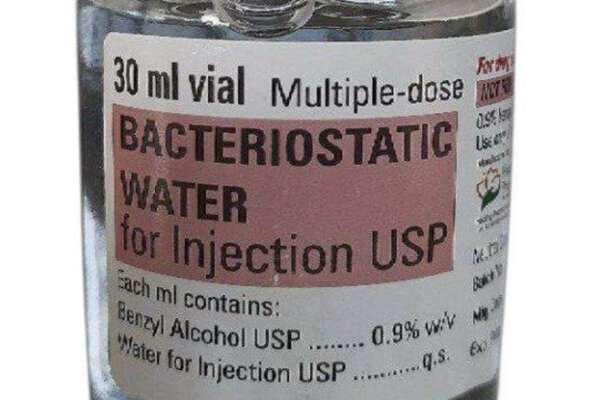
Because KPV is a tripeptide, it is remarkably stable and can be studied in oral, topical, or injectable forms. LL-37, however, is more delicate and requires careful reconstitution.
| Peptide | Research Focus | 2026 Standard Dose | Route |
| KPV | Gut/Systemic Inflammation | 500mcg – 1mg | Oral or SubQ |
| LL-37 | Microbial Clearance | 100mcg – 250mcg | SubQ or Topical |
| Stack | Chronic IBD/SIRS | Combined Protocol | Twice Daily |
Safety Note: 2026 data warns that high concentrations of LL-37 can be cytotoxic to host cells. Precision dosing is required. For technical support, contact our lab staff on WhatsApp.
6. Why Lyzelab is the Global Leader in Purity
Impure antimicrobial peptides can cause “off-target” effects or localized irritation. Lyzelab ensures your research remains pure:
HPLC Verified Sequences: We guarantee the +6 charge of LL-37 and the exact sequence of KPV.
TFA-Free Synthesis: Essential for gut research, as TFA can irritate the sensitive colonic lining.
Vacuum-Sealed Vials: Preserving the bioactivity of the LL-37 α-helix structure.
7. Conclusion: The Bio-Active Revolution
The integration of KPV and LL-37 research 2026 provides a map for the future of medicine—one where we work with our biology rather than against it. By modulating the immune response and clearing pathogens with the body’s own tools, we open a new chapter in regenerative health.
Why Lyzelab is the Global Leader in Purity
Impure antimicrobial peptides can cause “off-target” effects or localized irritation. Lyzelab ensures your research remains pure:
HPLC Verified Sequences: We guarantee the +6 charge of LL-37 and the exact sequence of KPV.
TFA-Free Synthesis: Essential for gut research, as TFA can irritate the sensitive colonic lining.
Vacuum-Sealed Vials: Preserving the bioactivity of the LL-37 α-helix structure.
Protect Your Research Integrity:
Shop KPV & LL-37:Lyzelab.com
Follow the Insights:TikTok
Expert Chat:WhatsApp