 $ USD
$ USD
BPC-157 and TB-500 Stack

The Synergy of Recovery: A 2026 Deep Dive into the BPC-157 and TB-500 Stack
By the Lyzelab Research Editorial Board | Updated: January 2026
In the rapidly maturing field of regenerative medicine, the “rest and ice” protocol has been replaced by a more sophisticated biological approach. As of early 2026, the combination of BPC-157 and TB-500—often colloquially referred to as the “Wolverine Stack”—has emerged as the gold standard for researchers investigating accelerated tissue repair and systemic metabolic recovery.
At Lyzelab, our mission is to provide the high-purity sequences necessary for researchers to explore these complex biological pathways. In this comprehensive guide, we analyze the latest 2025/2026 data on how these two molecules interact to redefine the limits of human recovery.
1. Defining the Pentadecapeptide: BPC-157 (The Architect)
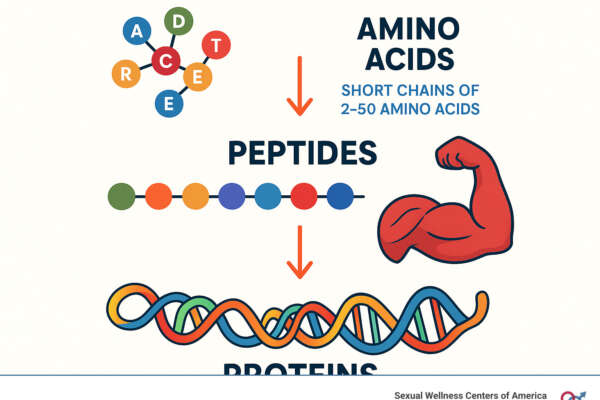
BPC-157 (Body Protection Compound-157) is a 15-amino-acid peptide derived from human gastric juice. Its primary evolutionary role is “cytoprotection”—the protection of cellular integrity against noxious stimuli.
Upregulation of Growth Hormone Receptors
One of the most significant breakthroughs in 2025 research confirmed that BPC-157 does not just “heal” tissue; it makes the tissue more sensitive to the body’s own growth signals. Specifically, it has been shown to upregulate growth hormone (GH) receptors in tendon fibroblasts. By increasing the expression of these receptors, BPC-157 allows even basal levels of GH to trigger a massive proliferative response in injured ligaments.
The Angiogenic Anchor
BPC-157 is a master of angiogenesis (the formation of new blood vessels). By triggering the VEGFR2 pathway, it helps create a vascular bypass around damaged or occluded tissue. This is particularly vital for “white zone” injuries—areas like the Achilles tendon or meniscus which naturally have poor blood supply.
2. Defining the Regenerative Engine: TB-500 (The Migrator)
While BPC-157 provides the “blueprint” for repair, TB-500 (a synthetic version of Thymosin Beta-4) provides the “labor.”
Actin Polymerization and Cell Motility
TB-500’s primary mechanism is its ability to sequester G-actin. In early 2026 studies, this was shown to be the key driver of cellular migration. When an injury occurs, TB-500 facilitates the physical movement of progenitor cells and immune cells to the site of damage.
Systemic Reach vs. Localized Action
Unlike BPC-157, which often exhibits its strongest effects near the site of administration, TB-500 is highly systemic. Due to its low molecular weight and unique binding properties, it can travel through the bloodstream to find and address inflammatory markers across the entire body, from the cardiac tissue to the neurological synapses.
3. The 2026 “Stack” Synergy: Why 1+1=3
The true power of these peptides is found in their synergy. In 2026, the “Wolverine Stack” is understood through a multi-phasic recovery model:
Phase A: Inflammatory Modulation
TB-500 enters the system and begins down-regulating pro-inflammatory cytokines like IL-6 and TNF-α. This clears the “biological noise” that often prevents the body from starting the repair process.
Phase B: Structural Scaffolding
BPC-157 begins the work of structural stabilization. It recruits fibroblasts and promotes the deposition of Type I collagen. By stabilizing the extracellular matrix (ECM), it creates a physical “scaffold” for new tissue.
Phase C: Vascular Integration
The two peptides work in “angiogenic synchronization.” BPC-157 stabilizes the new blood vessel walls, while TB-500 promotes the endothelial cell migration needed to expand the vascular network. This ensures that the newly repaired tissue is oxygenated and sustainable long-term.
Want a visual breakdown of this synergy? Visit our TikTok @lyzelab_supply for a 60-second animated guide on “The Peptide Recovery Loop.”
4. The 2026 Research Protocols (Dosage & Titration)
Disclaimer: The following is based on current 2026 research models and is for informational purposes only. Research peptides are not for human consumption.
| Peptide | Research Dose (Standard) | Frequency | Focus Area |
| BPC-157 | 250mcg – 500mcg | Twice Daily | Localized repair / Gut health |
| TB-500 | 2mg – 5mg | Twice Weekly | Systemic recovery / Muscle / Cardiac |
The “Pulse” Protocol
Advanced researchers in 2026 have moved toward a “pulse” protocol. This involves a high-dose loading phase of TB-500 (10mg/week) for the first two weeks, followed by a maintenance phase of 2.5mg/week, while keeping BPC-157 constant. This mimics the body’s natural “acute-to-chronic” healing transition.
Have specific technical questions about solubility or storage? Chat with us on WhatsApp for immediate support from our lab specialists.
5. Beyond the Muscle: Gut and Brain Benefits
By 2026, the “healing” narrative of BPC-157 has expanded significantly into the Brain-Gut Axis.
Gastric Cytoprotection
BPC-157 remains one of the only compounds shown to effectively counteract the damage caused by NSAIDs (like Ibuprofen) on the stomach lining. It promotes the healing of the mucosal barrier, making it a primary subject of study for Leaky Gut Syndrome and IBD.
Neuroprotection and Recovery
TB-500 has shown remarkable potential in 2025/2026 neuro-regeneration studies. Its role in actin regulation also applies to axonal growth and dendritic spine plasticity, suggesting a future role in recovery from traumatic brain injuries (TBI) and stroke.
6. The Importance of Purity in 2026
As the popularity of peptides has surged, so has the prevalence of “gray market” products. In 2026, the difference between a successful research outcome and a failed one often comes down to TFA (Trifluoroacetic Acid) levels and overall peptide purity.
At Lyzelab, we guarantee:
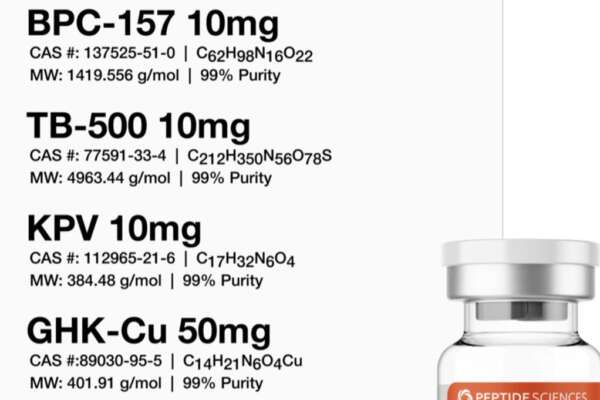
99.8% Minimum Purity: Verified by HPLC and MS analysis.
Stable Lyophilization: Our vacuum-sealed vials ensure the peptide remains bioactive for up to 24 months in cold storage.
Transparent Sourcing: Every batch is trackable, providing researchers with the data integrity they require.
7. Conclusion: The Future is Regenerative
We are currently standing at the threshold of a new era in medicine. The BPC-157 and TB-500 stack is no longer an “underground” secret; it is the blueprint for how we will approach tissue repair and longevity in the coming decades.
As we move deeper into 2026, Lyzelab remains committed to being your partner in this journey. Whether you are conducting academic research or exploring the cutting edge of personal bio-optimization, our platform is designed to support your progress with the highest quality peptides on the market.
Join the Revolution:
Browse the Catalog:Shop BPC & TB Stacks
Stay Updated: Follow us on TikTok
Expert Consultation: Message us on WhatsApp