
 $ USD
$ USD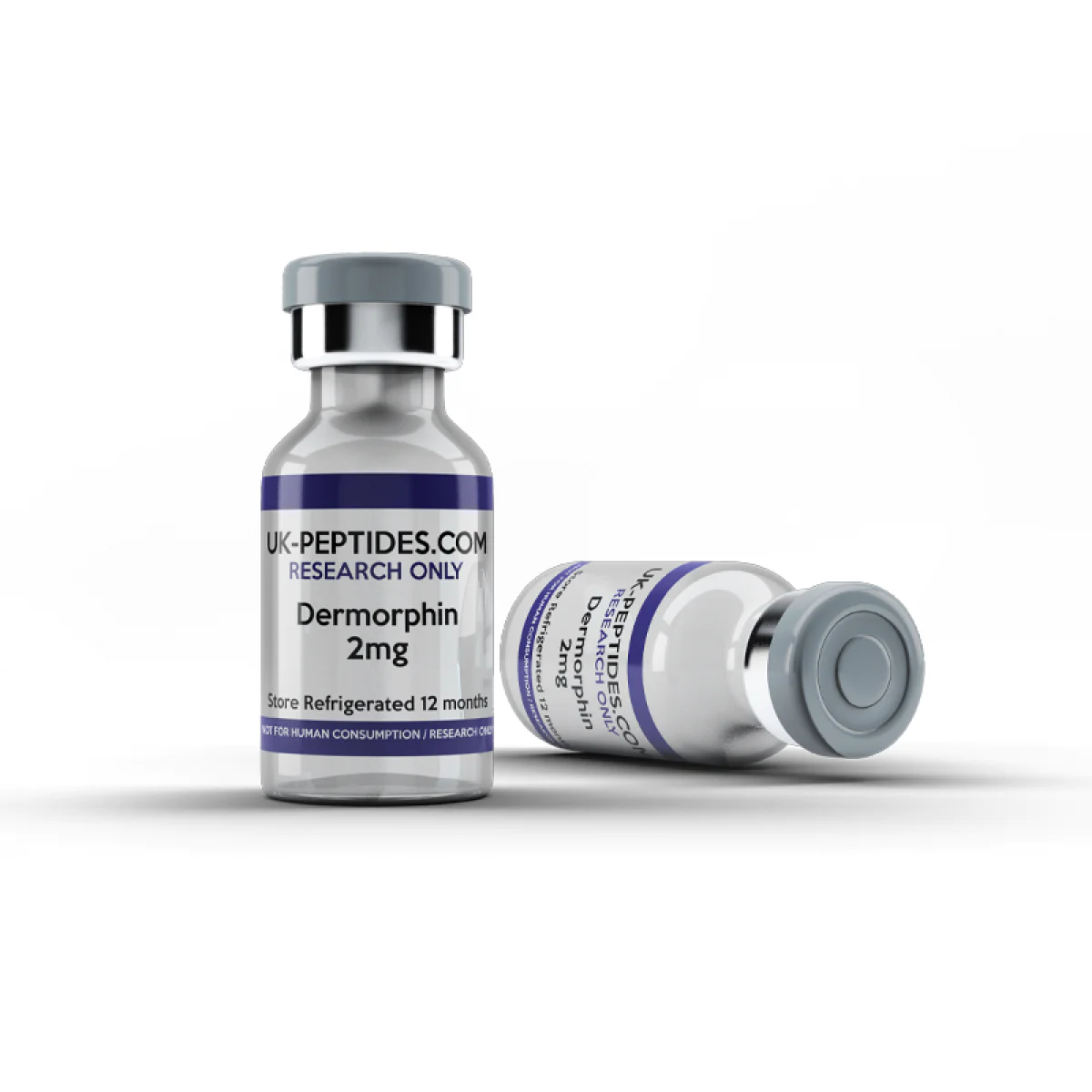
Dermorphin peptide research
Dermorphin: The Power of Natural Opioid Peptides
In the specialized world of biochemical study, few compounds carry as much weight as dermorphin. As a premier subject of dermorphin peptide research, this heptapeptide has revolutionized how we view the potency of natural substances. Discovered in the secretions of South American tree frogs, dermorphin has evolved into a primary tool for scientists exploring the intricacies of mu-opioid receptor agonists.
What is Dermorphin?
Dermorphin is a natural peptide known for its exceptional binding affinity to mu-opioid receptors. It is highly sought after in research circles because it is one of the few natural peptides that contains a D-amino acid, which prevents it from being easily broken down by enzymes in the body. This structural advantage makes it significantly more potent than morphine, placing it at the forefront of dermorphin peptide research related to pain management and neurological signaling.
The Science of Mu-Opioid Receptor Agonists
To understand dermorphin, one must understand mu-opioid receptor agonists. These are substances that bind to specific receptors in the brain and spinal cord to dampen pain signals. Dermorphin is unique because of its high selectivity; it ignores other receptor types (like delta or kappa) and focuses almost exclusively on the mu-receptors. This precision allows researchers to isolate specific physiological responses, making it an invaluable “probe” for mapping the human nervous system.
Evaluating Dermorphin Benefits and Side Effects
Any discussion regarding this peptide must address the reality of dermorphin benefits and side effects. In a controlled laboratory environment, the “benefit” is the peptide’s ability to provide a consistent, high-potency response that can be used to test new medications or study the brain’s reaction to extreme stimuli.
However, the side effects are reflective of its strength. Because it is so effective at activating the mu-opioid system, it carries risks of respiratory depression, sedation, and potential for dependence. These factors are why dermorphin peptide research is conducted under such strict regulatory oversight and why the peptide is not used as a frontline treatment in clinical medicine today.
Applications in Modern Science
Today, dermorphin serves as a blueprint for drug design. By studying how this peptide achieves such high potency naturally, chemists can design synthetic versions that might offer the same level of pain relief with fewer risks. This makes the study of mu-opioid receptor agonists like dermorphin a high-priority area for those looking to solve the global crisis of chronic pain management.
Summary for Researchers
Dermorphin remains a gold standard in the study of opioid peptides. Whether you are looking at the peptide for its unique chemical structure or its profound physiological impact, understanding the balance of dermorphin benefits and side effects is essential. As dermorphin peptide research continues to evolve, it remains a bridge between the natural world and modern pharmacology, offering insights that few other compounds can provide.
Would you like me to generate a meta-description and a few social media captions for this “Dermorphin” content to help with your SEO distribution?
Original price was: $85.00.$65.00Current price is: $65.00.
Add to wishlist Add to compareAsk about productDescription
Understanding Dermorphin: A Deep Dive into the Potent Heptapeptide
Dermorphin peptide research has long fascinated the scientific community due to its unique origins and extraordinary potency. Originally discovered in the skin secretions of the Phyllomedusa genus of South American frogs, this natural heptapeptide has become a cornerstone in the study of mu-opioid receptor agonists. Unlike many synthetic compounds, dermorphin exhibits a binding affinity and selectivity that makes it significantly more powerful than traditional morphine, sparking intense interest in its potential applications in pain management and neurological study.
The Biochemistry of Dermorphin
At its core, dermorphin is a seven-amino acid peptide with the sequence H-Tyr-D-Ala-Phe-Gly-Tyr-Pro-Ser-NH2. What sets it apart in the world of mu-opioid receptor agonists is the presence of a D-amino acid (D-Alanine) in its second position. This is a rare natural occurrence in ribosomally synthesized peptides and is the primary reason for its high biological activity and resistance to metabolic degradation.
When researchers look at dermorphin peptide research, they focus heavily on this D-amino acid configuration. It allows the peptide to cross the blood-brain barrier more effectively than many other natural compounds, leading to its profound analgesic (pain-killing) effects.
Mechanisms of Action: How Dermorphin Interacts with the Body
The primary mechanism of dermorphin is its interaction with the mu-opioid receptors located throughout the central nervous system. As one of the most selective mu-opioid receptor agonists known to science, it triggers a cascade of inhibitory signals that block the transmission of pain.
However, the scope of dermorphin peptide research extends beyond simple pain relief. Because mu-receptors are also involved in the reward system, respiration, and gastrointestinal motility, the peptide’s influence is systemic. Researchers utilize this peptide to map receptor pathways and understand how the body processes both physical pain and emotional stressors.
Key Findings in Dermorphin Peptide Research
Over the last several decades, studies have highlighted several key areas where dermorphin excels as a research tool:
-
Analgesic Potency: It is estimated to be 30 to 40 times more potent than morphine in certain animal models.
-
Neurological Modulation: It helps in understanding the “opioid-induced” changes in the brain’s neuroplasticity.
-
Endocrine Influence: It has shown an ability to influence the release of certain hormones, particularly prolactin and growth hormone.
Dermorphin Benefits and Side Effects: A Balanced View
When discussing dermorphin benefits and side effects, it is crucial to maintain a clinical perspective. In a research setting, the “benefits” refer to its efficacy as a tool for receptor mapping and pain threshold studies.
Potential Benefits for Research:
-
Provides a highly stable compound for long-term cellular studies.
-
Offers a clear window into the functioning of the mu-opioid system without the “noise” of multi-receptor activation.
-
Facilitates the development of next-generation non-addictive analgesics by serving as a comparative gold standard.
Potential Side Effects: As with all mu-opioid receptor agonists, the risks are significant and well-documented. Dermorphin benefits and side effects are often two sides of the same coin.
-
Respiratory Depression: High doses can slow breathing significantly.
-
Tolerance and Dependence: Like all opioids, the body quickly builds a tolerance, requiring higher doses for the same effect.
-
Gastrointestinal Issues: Severe constipation is a hallmark of mu-receptor activation.
Dermorphin in Modern Pharmacology
While dermorphin itself is not currently approved for clinical use in humans by the FDA or EMA, its derivatives are a different story. Dermorphin peptide research has paved the way for the creation of synthetic analogues that aim to provide the same level of pain relief without the high risk of addiction or respiratory failure.
The “D-amino acid” trick learned from the Phyllomedusa frog has been applied to various other drug delivery systems, proving that nature’s design often holds the key to pharmaceutical breakthroughs.
Safety and Handling in Laboratory Settings
Given its potency, handling dermorphin requires strict adherence to safety protocols. It is typically sold as a lyophilized (freeze-dried) powder and must be reconstituted in a sterile environment. Researchers must be aware that even micro-dosages can have profound physiological impacts, making the study of dermorphin benefits and side effects essential for any laboratory supervisor.
Conclusion: The Future of Mu-Opioid Receptor Agonists
The journey of dermorphin from the skin of a tropical frog to the cutting-edge labs of the 21st century is a testament to the power of natural biochemistry. As we continue to refine our understanding of mu-opioid receptor agonists, dermorphin remains a vital benchmark. Through ongoing dermorphin peptide research, we move closer to a future where chronic pain can be managed with precision, safety, and a deeper understanding of the human nervous system.
Related products
-
+ wishlist+ compare
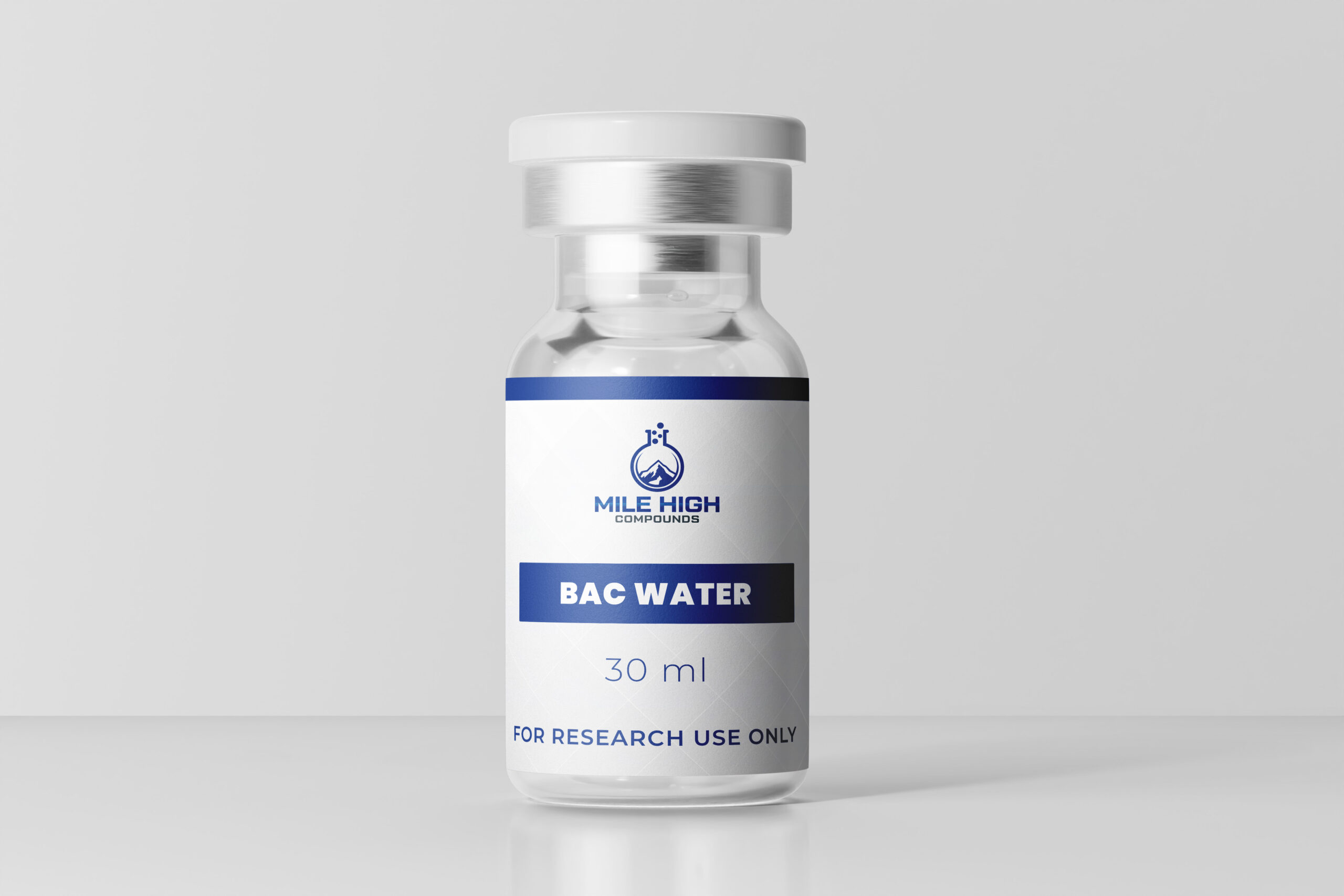
Bacteriostatic Water for peptide reconstitution BAC water vs Sterile water Reconstituting peptides with BAC water
Original price was: $15.00.$10.00Current price is: $10.00.Add to cart -
+ wishlist+ compare
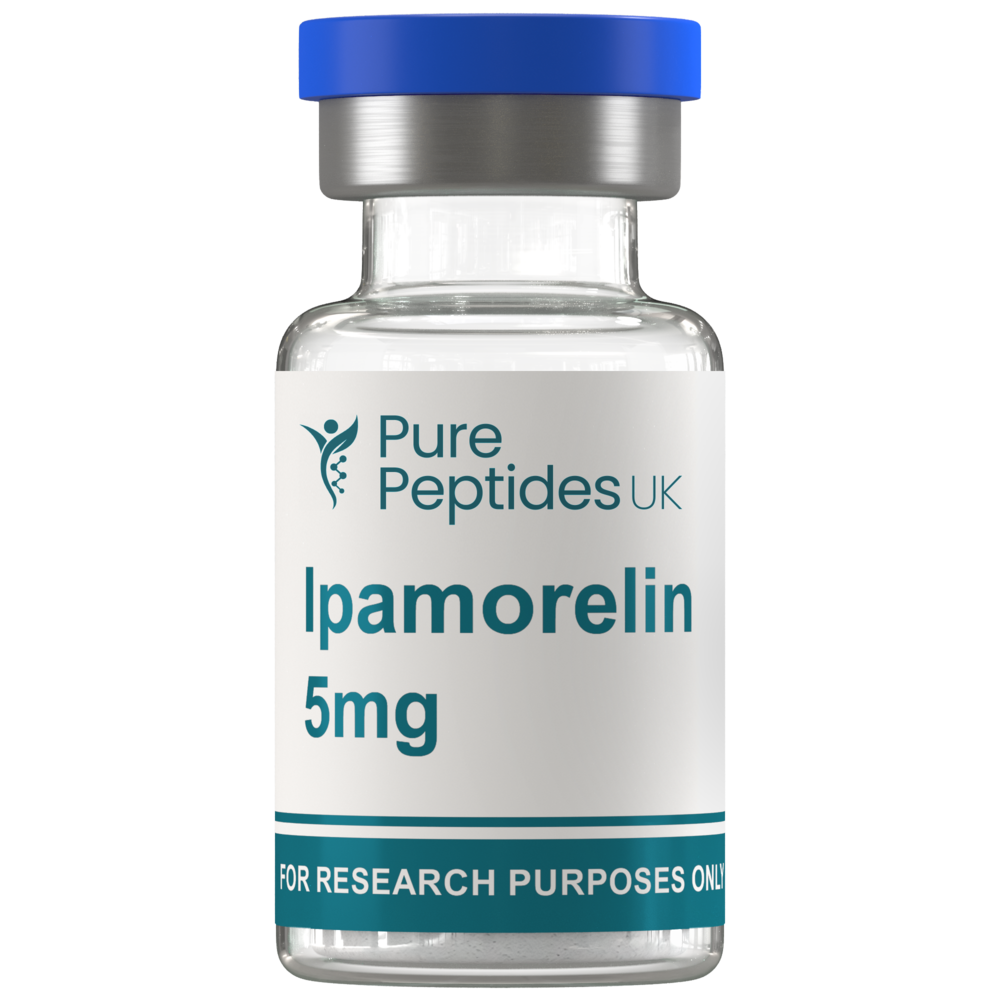
Ipamorelin peptide benefits for fat loss Selective growth hormone secretagogue for recovery Ipamorelin for improved sleep quality
Original price was: $74.00.$70.00Current price is: $70.00.Add to cart -
+ wishlist+ compare
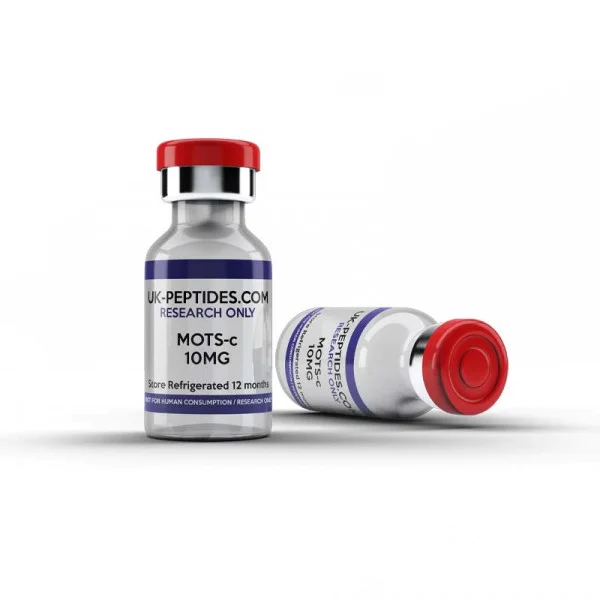
MOTS-c peptide benefits for metabolism Exercise mimetic effects of MOTS-c Mitochondrial health and longevity with MOTS-c
Original price was: $95.00.$90.00Current price is: $90.00.Add to cart
Reviews
There are no reviews yet.